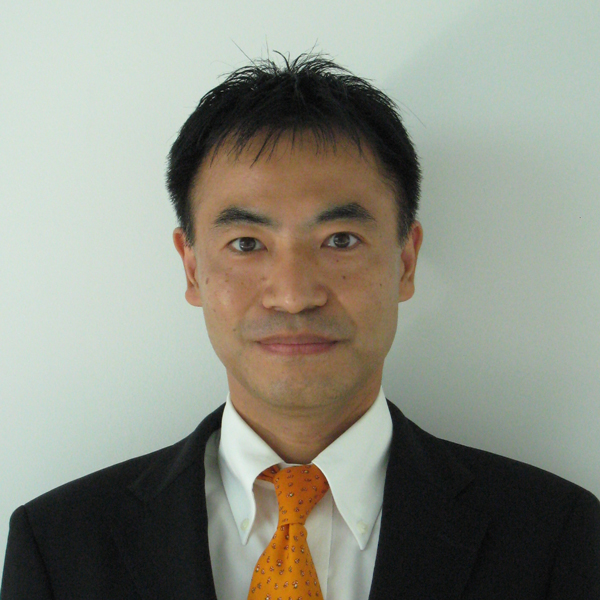
YASUI Masato

写真a

Affiliation

School of Medicine, Department of Pharmacology ( Shinanomachi )

Position

Professor

Related Websites

Other Affiliation 【 Display / hide

  • School of Medicine, Professor

Career 【 Display / hide

  • 1989.04
    -
    1992.03

    St. Luke’s International Hospital, Pediatrics, Clinical Resident

  • 1992.04
    -
    1993.01

    Tokyo Women’s Medical University, Neonatolgy, Clinical Fellow

  • 1992.04
    -
    1993.01

    University of Tokyo, Dept. of Molecular Neurobiology, Guest Researcher

  • 2000
    -
    2001

    Johns Hopkins School of Medicine, Instructor

  • 2001
    -
    2006

    Johns Hopkins School of Medicine, USA, Depts of Pediatrics and Biological Chemistry, Assistant Professor

display all >>

Academic Background 【 Display / hide

  • 1983.04
    -
    1989.03

    Keio University, School of Medicine

    University, Graduated

  • 1997.04

    the Karolinska Institute (Stockholm, Sweden), Doctor of Philosophy (Ph. D.)

    Sweden, Graduate School, Graduated, Doctoral course

Academic Degrees 【 Display / hide

  • Doctor of Philosophy, スウェーデン王国カロリンスカ医科大学, 1997.04

  • 博士(医学), 慶応義塾大学, 1998

Licenses and Qualifications 【 Display / hide

  • Medical License, 1989.05


Research Areas 【 Display / hide

  • Life Science / Pharmacology

Research Keywords 【 Display / hide

  • 水・電解質・アクアポリン

Research Themes 【 Display / hide

  • ①アクアポリンの構造機能相関 ②脳のアクアポリンの機能解析 ③アクアフォトミクスの臨床応用, 

    1997.01
    -
    Present


Papers 【 Display / hide

  • LRBA organizes distinct vesicular traffcking systems in distal nephron segments for water and sodium conservation

    Nagaoka K., Ando F., Fujiki T., Abolhassani H., Hara Y., Yanagawa H., Suzuki S., Sakamaki Y., Oikawa D., Kikuchi H., Mandai S., Mori Y., Mori T., Susa K., Sohara E., Hoshino A., Ito T., Arakawa Y., Sasahara Y., Yasuda S., Abe Y., Yasui M., Tokunaga F., Kanegane H., Uchida S.

    Proceedings of the National Academy of Sciences of the United States of America 123 ( 18 )  2026.05

    ISSN  00278424

     View Summary

    Lipopolysaccharide-responsive and beige-like anchor protein (LRBA) defciency is a rare genetic disorder characterized by immune dysregulation. Te immune checkpoint molecule cytotoxic T lymphocyte-associated antigen 4 (CTLA-4) fails to perform proper membrane trafcking in the absence of LRBA. In addition to immune cells, LRBA localizes to intracellular vesicles in various epithelial cells; however, its physiological roles have not been accurately deciphered. It was observed in this study that LRBA facilitates water and sodium transport by promoting vesicular trafcking of aquaporin-2 (AQP2) and AQP4 in renal collecting duct cells and that of sterile 20/SPS1-related proline/alanine-rich kinase (SPAK) in distal convoluted tubule cells. Consequently, Lrba knockout mice exhibited vasopressin-resistant polyuria and hypotension under sodium-restricted conditions. Tis registry study revealed a polyuric phenotype in a subset of patients with LRBA defciency, characterized by inappropriately low urine specifc gravity despite the presence of chronic diarrhea. Notably, desmopressin treatment ameliorated impaired urinary concentration in a mouse model of human LRBA defciency. LRBA functions as a central coordinator of fuid and sodium homeostasis by organizing segment-specifc vesicular trafcking systems in renal epithelial cells.

  • Glycerol enhances mitochondrial metabolism and inflammatory response in pro-inflammatory macrophages

    Tanaka M., Hishiki T., Matsuura T., Yasui M., Chikuma S., Hara-Chikuma M.

    EMBO Reports  2026

    ISSN  1469221X

     View Summary

    Although glycerol is a ubiquitous metabolite in mammalian systems, its cellular metabolic pathways and functions have not been fully elucidated. Here, we find that elevated extracellular glycerol modulates intracellular metabolism and pro-inflammatory responses of macrophages. In pro-inflammatory macrophages stimulated with lipopolysaccharide, glycerol is taken up through glycerol channels including Aquaporin 3 (AQP3) and metabolized to glycerol-3-phosphate (G3P), which is then converted to dihydroxyacetone phosphate by glycerol-3-phosphate dehydrogenase 2 (GPD2). This glycerol-driven pathway enhances mitochondrial ATP production, potentially by supplying electrons to the electron transport chain (ETC) via GPD2, and by upregulating the transcription of genes encoding ETC complexes. In addition, glycerol supplementation elevates intracellular acetyl-CoA levels, promotes histone acetylation at the promoters of pro-inflammatory cytokine genes, and consequently increases cytokine gene expression, suggesting enhanced pro-inflammatory response. In vivo experiments, macrophage-specific AQP3 conditional knockout mice exhibit reduced weight gain and adipose tissue inflammation in a high-fat diet-induced obesity model. Our findings provide novel insights into the metabolic regulation and macrophage inflammation by extracellular glycerol.

  • Aquaporin 3 inhibition attenuates imiquimod-induced psoriatic symptoms in a murine model

    Okubo R., Tanaka M., Kubo A., Yasui M., Hara-Chikuma M.

    Molecular Biology Reports 52 ( 1 )  2025.12

    ISSN  03014851

     View Summary

    Background: Aquaporin 3 (AQP3) is highly expressed in both keratinocytes and T cells within psoriatic skin. Previous studies have demonstrated that AQP3 knockout mice show reduced development of psoriatic symptoms in murine models. This study aims to evaluate the effect of AQP3 inhibition on psoriasis progression. Methods and results: AQP3 conditional knockout mice were generated to assess the role of AQP3 expression in keratinocytes and T cells in psoriasis pathogenesis. In an imiquimod (IMQ)-induced psoriasis model, psoriatic symptoms were significantly reduced in mice with keratinocyte-specific AQP3 deletion. Additionally, AQP3 inhibition by administration of anti-AQP3 monoclonal antibody (mAb) effectively alleviated IMQ-induced psoriasis symptoms in wild-type mice. Conclusions: AQP3 inhibition presents a promising approach for the treatment of psoriasis.

  • Early neuromyelitis optica antibody-induced molecular changes in aquaporin 4 and associated proteins at astrocyte endfeet in murine brain tissues

    Yoshikawa Y., Tomioka M., Abe Y., Yasui M., Nuriya M.

    Journal of Pharmacological Sciences 158 ( 3 ) 212 - 218 2025.07

    ISSN  13478613

     View Summary

    Neuromyelitis optica spectrum disorder (NMOSD) is characterized by the production of autoantibodies against aquaporin 4 (AQP4). Because NMOSD progressively causes irreversible and severe neurological damages, understanding the initial molecular changes induced by anti-AQP4 antibody binding is crucial for designing early interventions. However, knowledge about the effects of the antibodies before AQP4 loss in brain tissues is limited. Using acutely prepared mouse brain slices, we aimed to investigate the initial molecular impact of NMO model antibodies on AQP4 and its associated proteins. We employed two different types of NMO model antibodies, E5415A and E5415B; E5415A recognizes both M1 and M23 isoforms, whereas E5415B exclusively binds to M23. We found that E5415A but not E5415B disrupted the uniform perivascular localization of AQP4, leading to fragmentation. We further addressed the impact of these changes on AQP4-associated proteins and found that strong colocalizations between AQP4 and dystrophin-glycoprotein complex (DGC) components were preserved, even after AQP4 localization pattern became fragmented. Thus, our study reveals the initial molecular changes in the AQP4 channel at the astrocytic endfeet in response to NMO model antibodies and highlights the early pathological events occurring in NMOSD.

  • Cooling-rate dependence of the cryopreservation of aquaporin-overexpressing cells with a non-permeable cryoprotectant

    Matsuo S., Yamazaki K., Yasui M., Abe Y., Uchida T.

    Cryobiology 119 2025.06

    ISSN  00112240

     View Summary

    Dehydration of intracellular water is an important factor in the cryopreservation of cells, but questions remain as to the appropriate amount and timing of dehydration and the detailed mechanism of the freezing process. Answering these questions will lead to improvements in cryopreservation methods that have remained unchanged for more than half a century and to an increase in the number of cell types that can be cryopreserved. Therefore, we aimed to reveal the time point when cells were dehydrated in their cooling process and how much their viabilities were improved by dehydration. We conducted cryopreservation experiments using cells with enhanced water permeability due to membrane overexpression of the water transport channel protein (AQP4). The AQP4-expressing cells or non-AQP4-expressing cells were cryopreserved under different cooling rates after addition of the membrane-permeable cryoprotectant (CPA) Me<inf>2</inf>SO, the non-membrane-permeable CPA trehalose, or no CPA. The results showed that no cryopreservation was successful without CPAs, even in the AQP4-expressing cells with increased water permeability. At slow freezing rates below 35 °C/min, viability with Me<inf>2</inf>SO was maintained with decreasing in the cooling rate, but with trehalose, the viability decreased. At cooling rates above 80 °C/min, the viability of AQP4-expressing cells was significantly higher than that of AQP4-non-expressing cells. These results suggest that dehydration due to the osmotic-pressure difference generated after extracellular freezing is fatal to cells.

display all >>

Papers, etc., Registered in KOARA 【 Display / hide

display all >>

Reviews, Commentaries, etc. 【 Display / hide

  • Prolonged Light Exposure Induces Circadian Impairment in Aquaporin-4-Knockout Mice

    Murakami A., Tsuji K., Isoda M., Matsuo M., Abe Y., Yasui M., Okamura H., Tominaga K.

    Journal of Biological Rhythms 38 ( 2 ) 208 - 214 2023.04

    ISSN  07487304

     View Summary

    Astrocytes are densely present in the suprachiasmatic nucleus (SCN), which is the master circadian oscillator in mammals, and are presumed to play a key role in circadian oscillation. However, specific astrocytic molecules that regulate the circadian clock are not yet well understood. In our study, we found that the water channel aquaporin-4 (AQP4) was abundantly expressed in SCN astrocytes, and we further examined its circadian role using AQP4-knockout mice. There was no prominent difference in circadian behavioral rhythms between Aqp4<sup>-/-</sup> and Aqp4<sup>+/+</sup> mice subjected to light-dark cycles and constant dark conditions. However, exposure to constant light induced a greater decrease in the Aqp4<sup>-/-</sup> mice rhythmicity. Although the damped rhythm in long-term constant light recovered after transfer to constant dark conditions in both genotypes, the period until the reappearance of original rhythmicity was severely prolonged in Aqp4<sup>-/-</sup> mice. In conclusion, AQP4 absence exacerbates the prolonged light-induced impairment of circadian oscillations and delays their recovery to normal rhythmicity.

Presentations 【 Display / hide

  • Roles of aquaporin‐ 4(AQP4)in neurodegenerative diseases

    Third Annual Stanford/Kanagawa Symposium, 

    2018.11

  • 睡眠研究の最先端―ストレス社会で健康を守るために

    在ベルリン日本大使館慶應義塾大学医学講演会, 

    2018.10

  • アクアポリン4(AQP4)と神経変性疾患の病態生理

    [Domestic presentation]  第30回日本神経免疫学会学術集会, 

    2018.09

  • New Insight into Aquaporin Function as Drug Targets

    [International presentation]  18th World Congress of Basic and Clinical Pharmacology, 

    2018.07

  • 脳のアクアポリンと神経変性疾患

    [Domestic presentation]  第30回臨床MR脳機能研究会学術集会, 

    2018.04

display all >>

Research Projects of Competitive Funds, etc. 【 Display / hide

  • 脳リンパ流の生理とその破綻による高次脳機能低下メカニズムの解明

    2018.04
    -
    2021.03

    MEXT,JSPS, Grant-in-Aid for Scientific Research, Grant-in-Aid for Scientific Research (B), Principal investigator

  • Development of a new therapy for brain edema: study for regulation of AQP4 as a molecular target

    2015.04
    -
    2018.03

    MEXT,JSPS, Grant-in-Aid for Scientific Research, Grant-in-Aid for Scientific Research (B), Principal investigator


Courses Taught 【 Display / hide

  • PHARMACOLOGY: PRACTICE

    2026

  • STRUCTURAL BIOLOGY: SEMINAR

    2026

  • STRUCTURAL BIOLOGY: PRACTICE

    2026

  • ADVANCED PHARMACOLOGY

    2026

  • PHARMACOLOGY: SEMINAR

    2026

display all >>

Courses Previously Taught 【 Display / hide

  • 薬理学総論・薬理学各論・薬理学実習

    Keio University

    2017.04
    -
    2018.03

  • 薬理学総論・薬理学各論・薬理学実習

    Keio University

    2015.04
    -
    2016.03

    Spring Semester

Educational Activities and Special Notes 【 Display / hide

  • NEW薬理学

    1989.02

    , Development of Textbook and Teaching Material


Memberships in Academic Societies 【 Display / hide

  • 日本薬理学会・日本小児科学会・日本臨床薬理学会・日本生物物理学会