
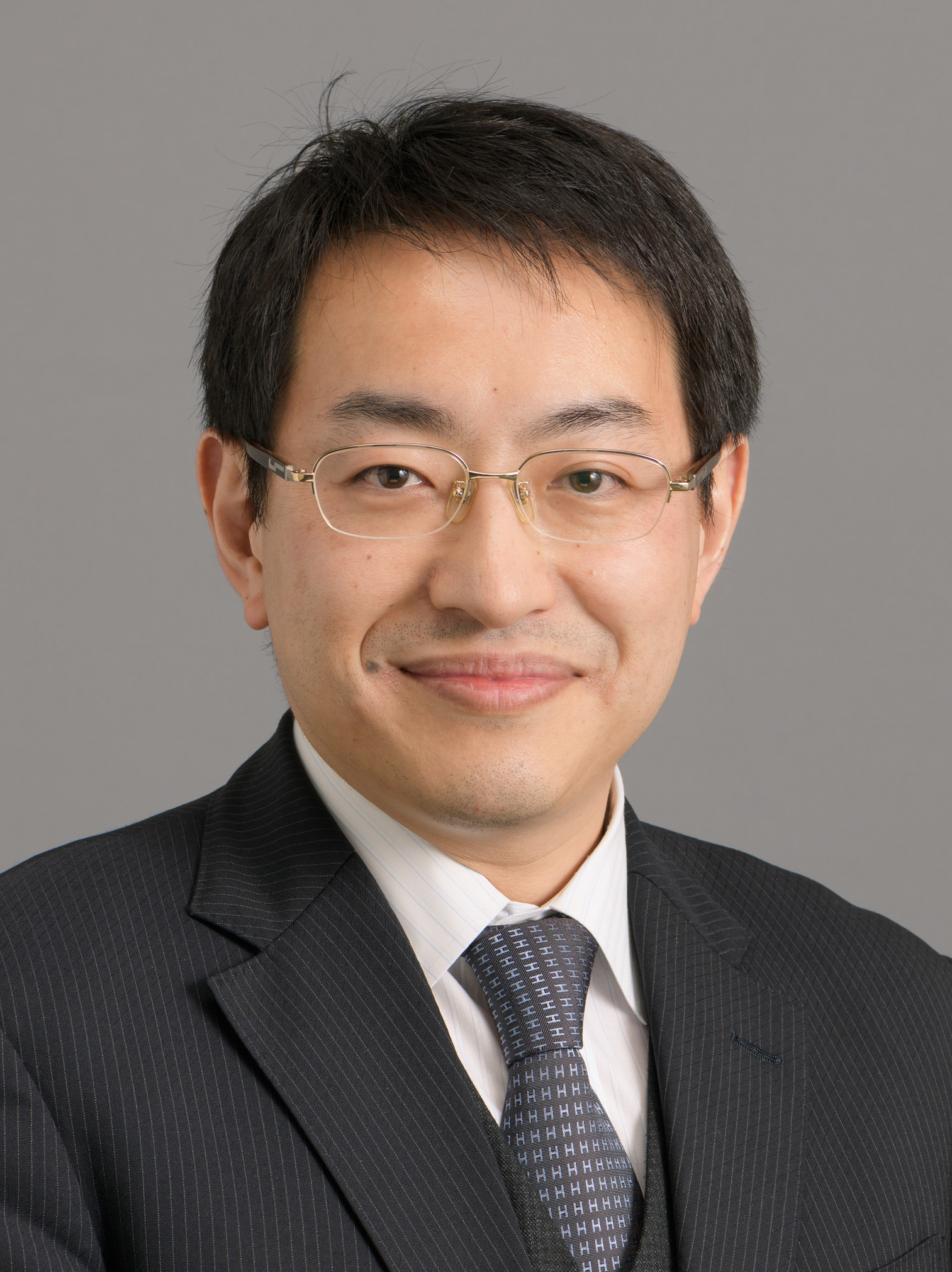
中原 仁 ( ナカハラ ジン )

NAKAHARA Jin

写真a

所属(所属キャンパス)

医学部 内科学教室(神経) Department of Neurology, Keio University School of Medicine ( 信濃町 )

職名

教授

HP

外部リンク

プロフィール 【 表示 / 非表示 】

  • ・日本神経学会 代議員ほか
    ・日本内科学会 評議員ほか
    ・日本神経免疫学会 理事ほか
    ・日本神経治療学会 評議員
    ・日本神経感染症学会 評議員
    ・日本多発性硬化症ネットワーク 理事
    ・日本微小循環学会 理事
    ・環アジア多発性硬化症治療研究会議(PACTRIMS)理事
    ・米国神経学会(AAN)FAAN
    ・欧州神経学会(EAN)Corresponding Member

教員からのメッセージ 【 表示 / 非表示 】

  • 神経内科領域のあらゆる疾患を対象に、先進的なトランスレーショナル・リサーチから在宅医療まで、手段を問わず患者の生命の質(quality of life)を改善させる治療の具現化に向けた研究を行っている。

その他の所属・職名 【 表示 / 非表示 】

  • 金沢大学 客員教授

  • 東京慈恵会医科大学 客員教授

  • 慶應義塾大学神経難病iPS細胞研究センター センター長

  • 慶應義塾大学病院脳卒中センター 副センター長

経歴 【 表示 / 非表示 】

  • 2003年04月
    -
    2004年03月

    慶應義塾大学 COE研究員

  • 2004年04月
    -
    2007年03月

    独立行政法人日本学術振興会 特別研究員(DC1)

  • 2007年04月
    -
    2008年11月

    独立行政法人日本学術振興会 特別研究員(PD)

  • 2008年12月
    -
    2013年03月

    慶應義塾大学 特任講師(医学部総合医科学研究センター)

  • 2013年04月
    -
    2018年03月

    慶應義塾大学 助教(医学部内科学(神経))

全件表示 >>

学歴 【 表示 / 非表示 】

  • 2003年03月

    慶應義塾大学, 医学部

    大学, 卒業

  • 2007年03月

    慶應義塾大学, 医学研究科, 生理系専攻

    大学院, 修了, 博士

学位 【 表示 / 非表示 】

  • 博士(医学), 慶應義塾大学, 課程, 2007年03月

免許・資格 【 表示 / 非表示 】

  • 日本国 医師免許証, 2003年05月

  • 日本医師会 認定産業医, 2011年09月

  • 日本内科学会 認定内科医, 2013年09月

  • 日本神経学会 神経内科専門医, 2014年07月

  • 日本内科学会 内科指導医, 2017年09月

全件表示 >>


研究分野 【 表示 / 非表示 】

  • ライフサイエンス / 神経内科学

研究キーワード 【 表示 / 非表示 】

  • オリゴデンドロサイト

  • 多発性硬化症

  • 神経免疫学

  • 神経内科学

  • 視神経脊髄炎関連疾患

全件表示 >>

研究テーマ 【 表示 / 非表示 】

  • 神経治療学の拠点形成, 

    2018年
    -
    継続中

  • 多発性硬化症の臨床研究, 

    2011年
    -
    継続中

  • 中枢神経系髄鞘再生療法の開発, 

    1999年
    -
    継続中


著書 【 表示 / 非表示 】

  • Visualization of Myelin for the Diagnosis and Treatment Monitoring of Multiple Sclerosis

    Nakahara J., Advances in Experimental Medicine and Biology, 2019年

     概要を見る

    Multiple sclerosis (MS) is a demyelinating disease of the central nervous system (CNS) affecting more than two million people worldwide. As the exact etiology of MS remains elusive, the diagnosis of MS is made by referring to the McDonald diagnostic criteria, which utilizes MRI as a tool to identify “demyelinated” MS lesions. In particular, hyperintense lesions on T2-weighted images (T2WI) or so-called “T2-lesions” are considered to represent demyelinated MS lesions. T2WI, however, lacks myelin specificity, and moreover, remyelination could not be depicted by the use of such modality. For the accurate diagnosis and treatment decision-making, or for the future development of remyelination therapeutics, imaging tools to visualize myelin-specific signals are mandatory. In this chapter, the current use and the limitation of imaging modalities in MS diagnosis and treatment will be reviewed, with the introduction of new imaging method, namely q-space Myelin Map (qMM), to be used for visualization of demyelination and remyelination in MS.

論文 【 表示 / 非表示 】

  • A case of CD36 deficiency with multiple white matter lesions

    Kizuka Y., Yamakawa H., Iwabuchi Y., Sakai J., Terayama C., Yatabe Y., Arai T., Matsushita H., Ieda M., Nakahara J., Izawa Y.

    BMC Neurology 26 ( 1 )  2026年12月

     概要を見る

    Background: CD36 deficiency is associated with abnormal fatty acid metabolism, which may increase the risk of developing atherosclerosis. However, there are few reports on a possible link between CD36 deficiency and cerebral white matter lesions. Case report: We present the case of a 44-year-old woman with heart failure due to CD36 deficiency and multiple white matter lesions. Her comprehensive examination for heart failure, including a single-photon emission computed tomography (SPECT) with <sup>201</sup>thallium and <sup>123</sup>I-β-methyl-p-iodophenyl pentadecanoic acid, revealed a fatty acid metabolism disorder in the myocardium. Flow cytometry confirmed CD36 deficiency, and a subsequent head magnetic resonance imaging (MRI) demonstrated multiple T2-hyperintense lesions in the cerebral white matter. Although the patient had hypertriglyceridemia and a history of smoking, the contribution of CD36 deficiency to the formation of white matter lesions remains unclear. Conclusion: This case suggests a potential association between CD36 deficiency and cerebral small-vessel disease. Further studies in patient cohorts with CD36 deficiency are warranted to clarify the impact of this condition on cerebral microcirculation.

  • Iba1 deficiency impairs microglial synaptic remodeling and neuronal survival after axonal injury

    Sekiguchi K., Shoji H., Shindo T., Sasabe J., Tokuyasu D., Nakahara J., Miyakawa T., Ito D.

    Journal of Neuroinflammation 23 ( 1 )  2026年12月

     概要を見る

    Background: Microglia remodel neuronal circuits in pathological conditions; however, the molecular requirements for these responses and their consequences for motoneuron survival remain unclear. Methods: Aif1 (Iba1) knockout mice were generated using CRISPR/Cas9-mediated deletion, and baseline phenotypes and responses to unilateral facial nerve axotomy were assessed using immunohistochemistry, transmission electron microscopy, and single-nucleus RNA sequencing of the facial motor nucleus. Motoneuron survival and nuclear γH2AX foci were evaluated 28 days post-axotomy. Findings: Under baseline conditions, Iba1<sup>−/−</sup> mice had reduced body weights and mild behavioral abnormalities compared to wild-type mice. After axotomy, microglial ensheathment of ChAT-positive facial motoneurons was reduced, with fewer neurons showing extensive perisomatic microglial coverage than in Iba1<sup>+/+</sup> mice. Ultrastructurally, somatic synapse loss observed after injury in wild-type mice was not detected in Iba1<sup>−/−</sup> mice, and fewer injured motoneurons were in contact with microglial processes. Single-nucleus transcriptomics showed an exaggerated expansion of an interferon-responsive microglial state in Iba1−/− mice after axotomy, whereas injured motoneurons displayed altered transcriptional programs related to synapse organization and neurotransmission. At 28 days, Iba1−/− mice showed reduced motoneuron survival, lower ChAT expression, and increased nuclear γH2AX foci. Interpretation: Iba1 supports microglia-neuron cross-talk that enables effective perisomatic remodefling after axonal injury; disruption of this response is accompanied by inflammatory-state shifts and compromised motoneuron survival.

  • A Global Perspective on Migraine Attack Triggers: Understanding Differences Across Lifestyles, Religions, and Regions

    Ihara K., García-Azorín D., Iba C., Sekiguchi K., Abaidoo M., Charway-Felli A., Fitzek M.P., Hassan A., Wergeland T., Ray J.C., Schytz H.W., Silva-Néto R.P., Vuralli D., Nakahara J., Chiang C.C., Pozo-Rosich P., Takizawa T.

    Current Pain and Headache Reports 30 ( 1 )  2026年12月

    ISSN  15313433

     概要を見る

    Purpose of Review: This review aims to summarize migraine attack triggers and understand variance across lifestyles, religions, and regions. Recent Findings: Experts from 11 countries collaborated to suggest a definition of migraine attack triggers. After investigating the geographical distribution of various triggers, referring to an earlier review written by the International Headache Academy (iHEAD) of the International Headache Society, we collected literature and summarized findings on both globally observed triggers and region- or culture-specific triggers. The most common triggers included stress, menstruation, and sleep disturbances. Several triggers were observed only in certain cultural contexts, such as fasting during Ramadan or Yom Kippur, or in specific regions, including barometric pressure in Eastern Asia, Lodos winds in Türkiye, midnight sun in the Arctic region, and watermelon consumption in Brazil. Summary: We summarized migraine attack triggers reported universally and specifically in different settings. In addition to using conventional methodology, future studies should address the mechanisms and causality of these triggers.

  • Sequential and Concurrent C5 and Neonatal Fc Receptor Inhibition in Prolonged Myasthenic Crisis due to Advanced Invasive Thymoma-Associated Myasthenia Gravis: A Case Report and Literature Review

    Kizuka Y., Nakamura Y., Okada K., Okubo Y., Kaseda K., Toyama H., Asakura K., Takeda A., Nakahara J., Ishizuchi K.

    Clinical and Experimental Neuroimmunology 17 ( 4 )  2026年11月

     概要を見る

    Thymoma-associated myasthenia gravis (TAMG) is frequently refractory, particularly when complicated by myasthenic crisis in advanced invasive disease. Complement C5 inhibitors and neonatal Fc receptor (FcRn) inhibitors have expanded the treatment of acetylcholine receptor (AChR) antibody-positive generalized myasthenia gravis; however, their optimal selection, sequencing, and combined use in refractory TAMG remain undefined. We report a case of a 46-year-old man with Masaoka–Koga stage IVa invasive thymoma and pleural dissemination who developed a prolonged ventilator-dependent myasthenic crisis after debulking surgery. Immunoadsorption plasmapheresis, intravenous immunoglobulin, and ravulizumab produced only transient benefit. Serum complement activity became undetectable after ravulizumab was switched to zilucoplan (a peptide C5 inhibitor chosen because it is not affected by FcRn blockade), yet sustained respiratory stability was not achieved. Only after subcutaneous efgartigimod was added to ongoing zilucoplan did the patient attain sustained daytime ventilator independence, with a parallel decline in anti-AChR antibody titer and total immunoglobulin G. He was discharged and remained clinically stable, with no worsening during a subsequent mild infection. Reviewing this case together with previously reported patients who received concurrent or sequentially overlapping C5 and FcRn inhibition, we discuss the biological rationale for dual-pathway targeting, pharmacological considerations relevant to agent selection and sequencing, and infectious-safety implications. This temporal association does not establish efficacy; however, combined C5 and FcRn inhibition may be considered, on an individualized basis, in selected refractory TAMG cases when single-pathway therapy is insufficient.

  • Real-world implementation of lecanemab in Alzheimer's disease: A Japanese cohort

    Shimohama S., Bun S., Shikimoto R., Tomioka H., Takayama T., Mimura Y., Sasaguri H., Sekiguchi K., Nishimoto Y., Iwabuchi Y., Tabuchi H., Nakahara J., Mimura M., Ito D.

    Alzheimer S and Dementia Diagnosis Assessment and Disease Monitoring 18 ( 3 )  2026年07月

     概要を見る

    INTRODUCTION: Real-world evidence for lecanemab remains limited, particularly among Asian populations. We evaluated the feasibility, safety, biomarker profiles, and short-term clinical outcomes of lecanemab in practice in Japan. METHODS: We screened 321 patients with early Alzheimer's disease (AD) and confirmed amyloid pathology using amyloid positron emission tomography (PET) or cerebrospinal fluid analysis. Plasma amyloid-β42/40 was assessed when available. Among these, 102 initiated lecanemab and underwent structured magnetic resonance imaging (MRI) surveillance with 6 months of follow-up. RESULTS: Most treated patients had a Clinical Dementia Rating–Global (CDR-Global) score of 0.5 (96.1%), and 6-month treatment persistence exceeded 85%. Amyloid-related imaging abnormalities (ARIA), predominantly mild and asymptomatic ARIA-H, occurred in 11.4%, whereas no cases of isolated ARIA with effusion or edema (ARIA-E) were observed. One macrohemorrhagic and two moderate–severe radiographic ARIA with hemorrhage or hemosiderin deposition (ARIA-H) developed, which led to discontinuation of the treatment. Cognitive and functional measures remained generally stable over 6 months, with changes comparable to those reported in the phase 3 CLARITY-AD trial. Plasma–PET discordance highlighted the complementary value of multimodal biomarker interpretation. DISCUSSION: Lecanemab was feasible and generally well tolerated under structured MRI monitoring in routine Japanese practice.

全件表示 >>

KOARA(リポジトリ)収録論文等 【 表示 / 非表示 】

全件表示 >>

総説・解説等 【 表示 / 非表示 】

全件表示 >>

競争的研究費の研究課題 【 表示 / 非表示 】

  • 視神経脊髄炎スペクトラム障害のプレシジョンメディシン基盤確立

    2023年04月
    -
    2028年03月

    中原 仁, 基盤研究(B), 補助金,  研究代表者

  • ミエリンマップ法を用いた多発性硬化症における髄鞘病理の画像解析

    2018年04月
    -
    2023年03月

    文部科学省・日本学術振興会, 科学研究費助成事業, 中原 仁, 基盤研究(C), 補助金,  研究代表者

  • 髄鞘の可視化技術による多発性硬化症の病型分類に関する研究

    2013年04月
    -
    2016年03月

    文部科学省, 科学研究費補助金(文部科学省・日本学術振興会), 中原仁, 補助金,  研究代表者

  • 髄鞘を標的とした神経変性疾患・脊髄損傷に対する新規治療戦略に関する研究

    2013年04月
    -
    2016年03月

    文部科学省, 科学研究費補助金(文部科学省・日本学術振興会), 中原仁, 補助金,  研究代表者

  • アストロサイトによるin vivoケトン体生合成機構の解明

    2010年04月
    -
    2013年03月

    文部科学省, 科学研究費補助金(文部科学省・日本学術振興会), 中原仁, 補助金,  研究代表者

全件表示 >>

知的財産権等 【 表示 / 非表示 】

  • Drug delivery system toward demyelinating lesion and biochemical marker of demyelinating lesions

    出願日: 8252540  2012年08月 

    発行日: 8252540  2012年08月

    特許権, 共同

  • Medicinal compositions containing Fc receptor γ chain activator

    出願日: 7901678  2011年03月 

    発行日: 7901678  2011年03月

    特許権, 共同

  • Fc受容体γ鎖活性化物質を含有する医薬組成物

    出願日: 4214249  2008年11月 

    発行日: 4214249  2008年11月

    特許権, 共同

受賞 【 表示 / 非表示 】

  • Best Presentation賞

    2017年, Sendai Conference

  • MSJ-PACTRIMS investigator award

    2014年, Pan-Asian Committee for Treatment and Research in Multiple Sclerosis (PACTRIMS)

  • 優秀指導教官賞

    2014年, 日本内科学会

  • MSJ-PACTRIMS Investigator賞

    2014年, 環アジア多発性硬化症治療研究会議

  • 優秀指導教官賞

    2014年, 内科学サミット2014

全件表示 >>


担当授業科目 【 表示 / 非表示 】

  • 内科学実習

    2026年度

  • 内科学演習

    2026年度

  • 内科学

    2026年度

  • 内科学特論

    2026年度

  • 神経内科学臨床実習

    2026年度

全件表示 >>


所属学協会 【 表示 / 非表示 】

  • 日本内科学会

     
  • 日本神経学会

     
  • 日本神経免疫学会

     
  • 日本神経治療学会

     
  • 日本脳卒中学会


全件表示 >>